
News
Global Climate Summit Begins Today

Global Climate Summit Begins Today
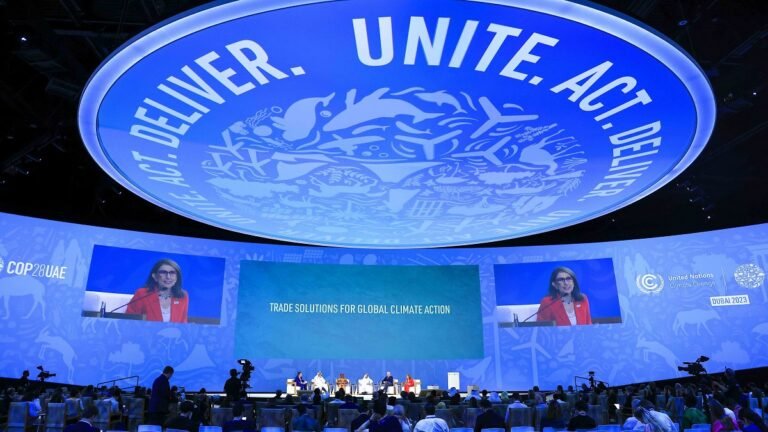
A major global climate summit has officially begun today, bringing together leaders, policymakers, and experts from around the world to tackle one of humanity’s most urgent challenges—climate change. The high-level talks, currently taking place in Santa Marta, Colombia, mark a significant moment in international climate diplomacy, especially as countries face rising temperatures, energy crises, and growing environmental risks.
A Critical Gathering for Climate Action
The summit is part of the first international conference focused specifically on transitioning away from fossil fuels, with participation from over 50–60 countries.
Unlike traditional climate meetings, this event is centered on practical strategies—how nations can realistically reduce dependence on oil, coal, and gas while maintaining economic stability.
Global leaders emphasized that shifting to renewable energy is no longer just an environmental goal, but also a matter of energy security and economic resilience, especially amid geopolitical tensions and rising fuel prices.
Key Issues on the Agenda
Several major topics are dominating discussions at the summit:
- Phasing out fossil fuels: Countries are exploring national roadmaps to reduce emissions and adopt clean energy.
- Climate finance: Developing nations are pushing for financial support to fund their energy transitions.
- Energy transition strategies: Focus on electrification, green technologies, and subsidy reforms.
- Equity and justice: Ensuring that vulnerable communities and Indigenous groups are included in decision-making.
Why This Summit Matters
This summit comes at a time when global climate progress has slowed, and previous international agreements have struggled to produce concrete results.
Experts believe the current discussions could mark a turning point, shifting the global focus from promises to real implementation.
There is also growing recognition that climate change is deeply connected to global issues such as economic inequality, energy security, and geopolitical conflict, making coordinated action more urgent than ever.
Challenges Ahead
Despite strong momentum, significant obstacles remain:
- Lack of binding commitments from major economies
- Insufficient funding for developing countries
- Continued reliance on fossil fuels by some nations
- Political and economic resistance to rapid change
Many analysts note that while the summit may not deliver immediate agreements, it is crucial for building cooperation and setting the stage for future global climate negotiations.
Looking Forward
The outcomes of this summit are expected to influence upcoming global climate events, including future UN climate conferences. If successful, it could help accelerate the transition to a low-carbon global economy and strengthen international collaboration.
In short, today’s summit is less about final decisions—and more about starting a serious, action-driven global shift toward a sustainable future.
Related Posts
Global Climate Summit Opens with High Expectations
Leaders Unite as Climate Crisis Deepens The world is witnessing more frequent natural disasters and unpredictable

International Leaders Face Pressure Over Climate Policy
World leaders face growing pressure to turn climate promises into practical policy on energy, finance, resilience,

What Young Citizens Expect From Modern Democracies
A concise editorial brief from Free Thought Daily, created to strengthen the homepage news mix.